
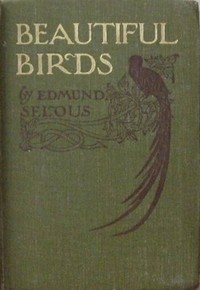
Beautiful Birds by Edmund Selous
Forget everything you know about stiff, formal nature writing from the Victorian era. Edmund Selous's Beautiful Birds is something else entirely. Published in 1905, it reads like a series of detailed, loving letters about his neighbors—who all happen to have feathers and beaks.
The Story
There isn't a traditional plot. Instead, Selous gives us a front-row seat to a whole world of drama. He follows birds through their entire year. We see the fierce territorial battles of robins in spring, the intricate and delicate work of building a nest, the constant, anxious feeding of hungry chicks, and the brave first flights. He doesn't just name the birds; he tries to understand their motives and personalities. Why does that thrush sing so persistently? What is the blackbird thinking as it cocks its head, listening for worms? Selous's 'story' is the daily, often overlooked, epic of animal life.
Why You Should Read It
What makes this book special is Selous's approach. He was one of the first to really champion watching live birds in the wild, instead of just studying dead ones. His writing is full of genuine wonder. You can feel his excitement when he finally figures out a piece of bird behavior. It makes you look at the common sparrow or pigeon with new respect. He finds heroism and comedy in their struggles. In a world that's now full of noise and distraction, this book is a masterclass in the art of paying close attention to one thing.
Final Verdict
This is a perfect book for anyone who feels a pull toward nature but might be intimidated by heavy science. It's for the curious gardener, the casual park-walker, or someone who just likes a good, true story. If you enjoyed the quiet observation in books like The Hidden Life of Trees or the thoughtful pace of Braiding Sweetgrass, you'll find a kindred spirit in Edmund Selous. Beautiful Birds is a peaceful, insightful escape that will change how you hear the dawn chorus.
This digital edition is based on a public domain text. It serves as a testament to our shared literary heritage.



John Miller
6 months agoVery helpful, thanks.