
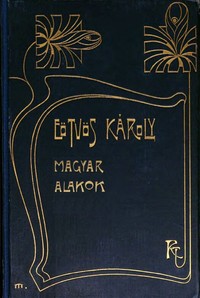
Magyar alakok by Károly Eötvös
Published in 1902, Magyar alakok (Hungarian Figures) is a unique work from Károly Eötvös, a man better known in his time for defending clients in sensational political trials. Here, he trades the courtroom for the countryside, offering a series of literary sketches about the people who shaped his world.
The Story
There isn't a traditional plot. Instead, think of it as a photo album made of words. Eötvös acts as our guide, pulling different characters from his memory. We meet a dedicated village schoolmaster fighting ignorance with limited tools. We encounter a traveling musician whose life is one long, uncertain road. There are stubborn farmers, thoughtful priests, and craftsmen who are artists in their own right. Each chapter is a self-contained glimpse into a life, detailing their daily struggles, small triumphs, and personal philosophies. The 'story' is the collective portrait of a society in transition, caught between old traditions and the modern world barreling toward it.
Why You Should Read It
This book has a quiet magic. Eötvös writes with a deep affection and clear-eyed honesty about his subjects. He doesn't glorify them; he presents them as they were—flawed, resilient, and utterly human. Reading it, you get the sense of recovering something precious. History so often feels like it's made of stone monuments and official documents, but this book reminds us it's also made of laughter in a tavern, the skill in a carpenter's hands, and the quiet perseverance of a teacher. It fills in the blanks that grand histories leave out. The prose (in its original Hungarian and in thoughtful translations) is straightforward and vivid, making you feel like you're right there in the room with these people.
Final Verdict
This isn't a book for someone seeking a fast-paced narrative. It's a slow, reflective read. It's perfect for history buffs who want to go beyond dates and battles to feel the texture of everyday life in 19th-century Hungary. It's also great for readers who love character-driven writing and those interested in the roots of Central European culture. If you enjoy authors like Ivan Turgenev or Thomas Hardy for their deep sense of place and people, you'll find a kindred spirit in Eötvös. Magyar alakok is a gentle, masterful rescue of voices from the silence of the past.
This digital edition is based on a public domain text. Share knowledge freely with the world.
Mason Garcia
1 year agoI was skeptical at first, but the emotional weight of the story is balanced perfectly. Absolutely essential reading.


Matthew Moore
1 year agoAfter hearing about this author multiple times, the pacing is just right, keeping you engaged. I learned so much from this.